Skip to content
Safe Food

Safe Food Starts Before the First Ingredient

Whether you're building products, choosing what to feed your family, or growing the crops that become food, safety should be built into the system from the start.

At PURIS, food safety is designed across sourcing, processing, testing, and verification, so the ingredients you rely on are consistent, transparent, and built to perform.

P_logos_tacos_2_W (1)

What Safe Food Means in Practice

Food safety is not defined by a single test or certification. It is the result of how the system performs, consistently, across every step.

Prevention

Hazards are assessed and risks are reduced through sourcing, controls, and process design.

Safety is managed before it becomes a problem, not after.

Verification

Testing and data confirm outcomes at key stages throughout the system.

Every step is measured, not assumed.

Transparency

Traceability and documentation support real-world decisions for manufacturers and consumers alike.

You can see how the system works, not just what it produces.

Trust Built Into the System, Not Checked at the End

Many systems rely heavily on final testing. PURIS is designed to manage food safety earlier, where it can be controlled.

Step 1
Controlled Sourcing
Defined growing regions and conditions. Identity-preserved supply options. Crop selection aligned to food-grade use.
Step 2
Supplier & Grower Programs
Organic and non-GMO verification systems. Input and handling requirements. Pre-delivery qualification and review.
Step 3
Food Safety Programs in Processing
HACCP-based preventive controls. GFSI-aligned systems including SQF-certified facilities. Defined critical control points and sanitation protocols.
Step 4
Multi-Stage Testing
Raw material testing prior to processing. In-process monitoring where applicable. Finished ingredient verification against defined specifications.
Step 5
Batch-Level Verification
Certificates of analysis (COAs). Lot traceability. Documentation to support audits, claims, and regulatory review.

Why upstream control matters

When safety is managed early, outcomes are more predictable, whether you are producing at scale or feeding your own family.

For manufacturers, this reduces supply chain risk and variability. For consumers, it means confidence in what you serve at your own table.

Structured Systems That Define
How Your Food Is Made
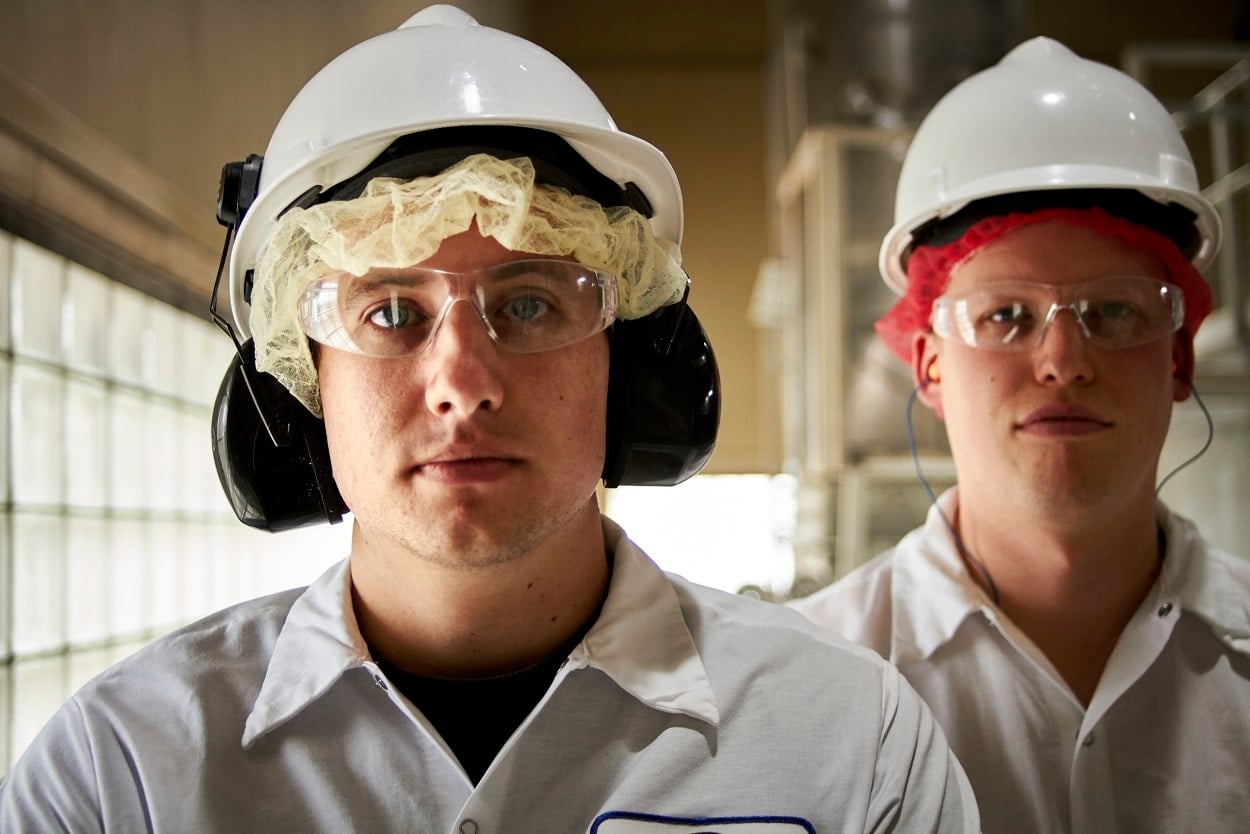
Preventive Controls (HACCP)
Open Close

HACCP-Based Preventive Controls

  • Systematic hazard identification and risk assessment across every stage of the production process
  • Defined critical control points (CCPs) with clear limits wherever a risk can be measured and managed
  • Continuous monitoring, documented corrective actions, and independent verification procedures

Prevention-first design means hazards are identified and managed at the source, long before they can reach the finished product. Safety is engineered in, not inspected at the end.

976A0371 (2)
GFSI-Aligned Systems (SQF)
Open Close

Global Food Safety Initiative-Aligned Systems

  • Facility-level certification aligned with globally recognized GFSI benchmarks
  • A structured focus on food safety, quality, and end-to-end traceability
  • Regular third-party audits and ongoing continuous-improvement requirements

SQF certification confirms that PURIS facilities meet globally recognized standards for food safety and quality management, and are held to them audit after audit.
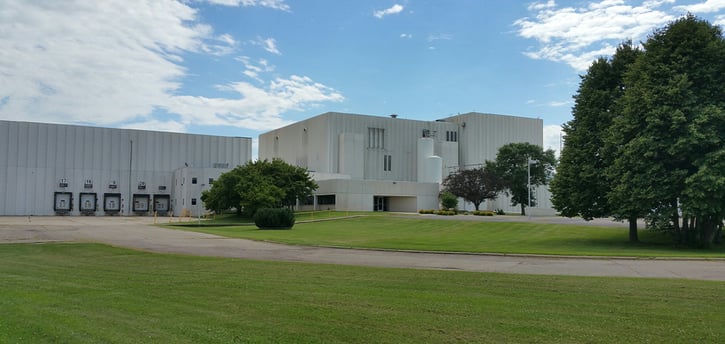
PURIS Dawson SQF-certified processing plant
Supplier Approval
Open Close

Supplier Approval Programs

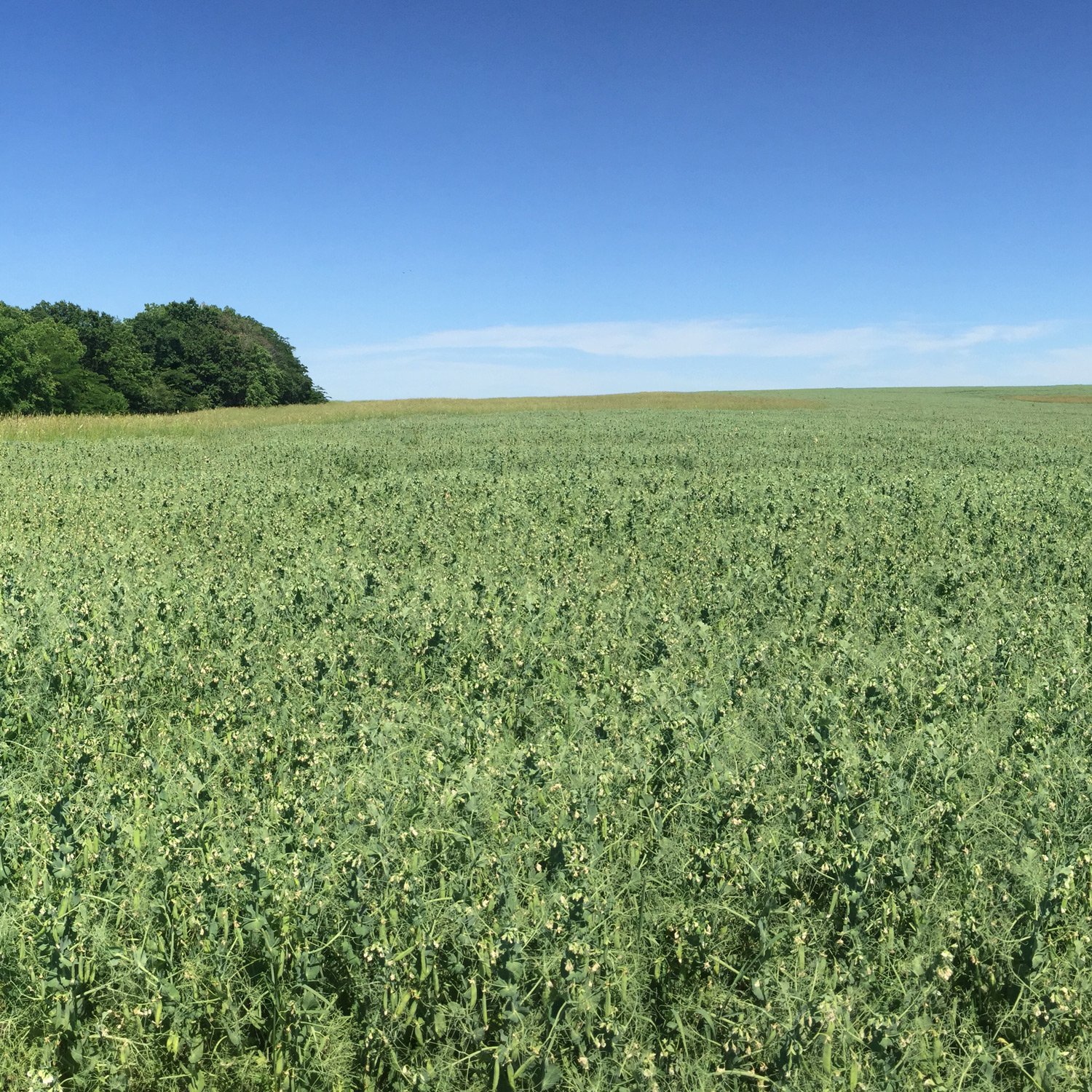
  • Verification of growers, suppliers, and co-manufacturers before onboarding
  • Documentation, audit readiness, and continuous compliance tracking
  • Clearly defined expectations that must be met before materials enter the system

Every supplier and grower is qualified against defined criteria before any material enters the PURIS system, so quality and safety start upstream of our own facilities.

optimized-PURIS Growers
Operational Discipline
Open Close

Operational Discipline

  • Sanitation and GMP programs maintained consistently across all facilities
  • Allergen control strategies tailored to each facility's specific profile
  • Preventive maintenance and process control that keep equipment and output in spec

Consistency comes from discipline. Every facility operates under the same standards, every day, because reliable outcomes depend on repeatable habits, not one-off effort.

Alt-OurPeople

Structured for Consistency

These systems create consistency across facilities, products, and time, ensuring the foundation for food you can trust.

They are strongest when supported by testing that goes beyond compliance, helping you understand and manage risk at every stage.

rtd-pouring

Testing That Supports Decisions,
Not Just Compliance

Testing is most valuable when it helps you understand and manage risk, not just confirm it after the fact.

Raw Material Testing

Incoming crops are evaluated against key performance indicators for quality and nutrition before any processing begins.

  • Early identification of variability before processing
  • Parameters set against defined quality and safety thresholds
  • Sourcing decisions informed by incoming data

In-Process Testing

Continuous monitoring during processing tracks key safety, quality, and nutrition parameters in real time.

  • Supports process controls and product consistency
  • Enables corrective action during production, not after
  • Reinforces a culture of continuous improvement

Finished Ingredient Testing

Every finished ingredient is verified against defined specifications for safety, quality, and nutrition.

  • Supports customer requirements and regulatory expectations
  • Meets export standards where applicable
  • Data tied to specific batches, not aggregate averages

Routine Monitoring

Ongoing testing programs track key contaminants and compositional factors over time.

  • Identifies trends before they become issues
  • Data used to improve sourcing, processing, and outcomes
  • Supports proactive risk management, not reactive response

Batch-Level Documentation

Certificates of analysis are tied to individual lots, providing verifiable data for every batch.

  • Data available for customers, partners, and audits
  • Supports traceability from finished ingredient back to source
  • Designed for the real questions procurement teams and consumers ask

What this means for you: You receive ingredients supported by real data, not assumptions, whether you are formulating products or choosing what to consume.

Certifications That Align With What Matters

Certification matters when it reflects how systems are operated and verified. These certifications are strongest when supported by the underlying system.

USDA Organic certification
USDA Organic
Verified systems for organic production and handling
Non-GMO Project Verified
Non-GMO
Project Verified
Identity-preserved processes and verification protocols
SQF (GFSI) food safety certification
SQF (GFSI)
Globally benchmarked food safety and quality systems
Kosher and Halal certification
Kosher & Halal
Certified to meet specific dietary and market requirements
Glyphosate Residue-Free certification
Glyphosate
Residue Free
Third-party verification aligned with customer expectations
Upcycle Certified
Upcycle Certified
Reducing food waste and supporting circular systems

Go Deeper

Explore how PURIS manages safety across sourcing, processing, testing, and verification.
Inside a PURIS processing facility

Processing

How ingredients are processed under HACCP-based preventive controls and GFSI-aligned, SQF-certified systems, with sanitation and allergen controls maintained across every facility.
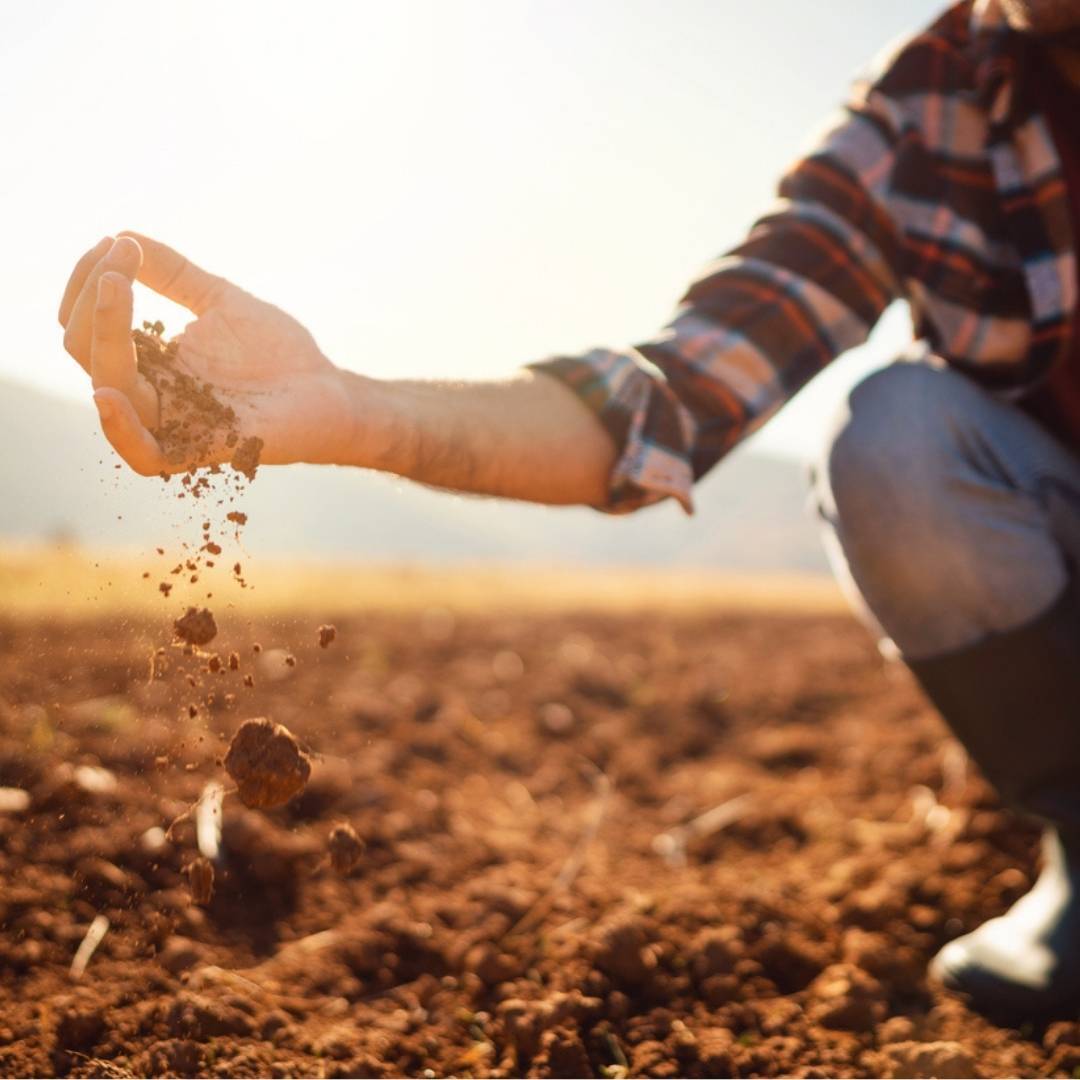
Soil running through a grower's hands

Heavy Metals

How PURIS monitors, manages, and verifies heavy metals in plant-based ingredients, starting well before harvest.
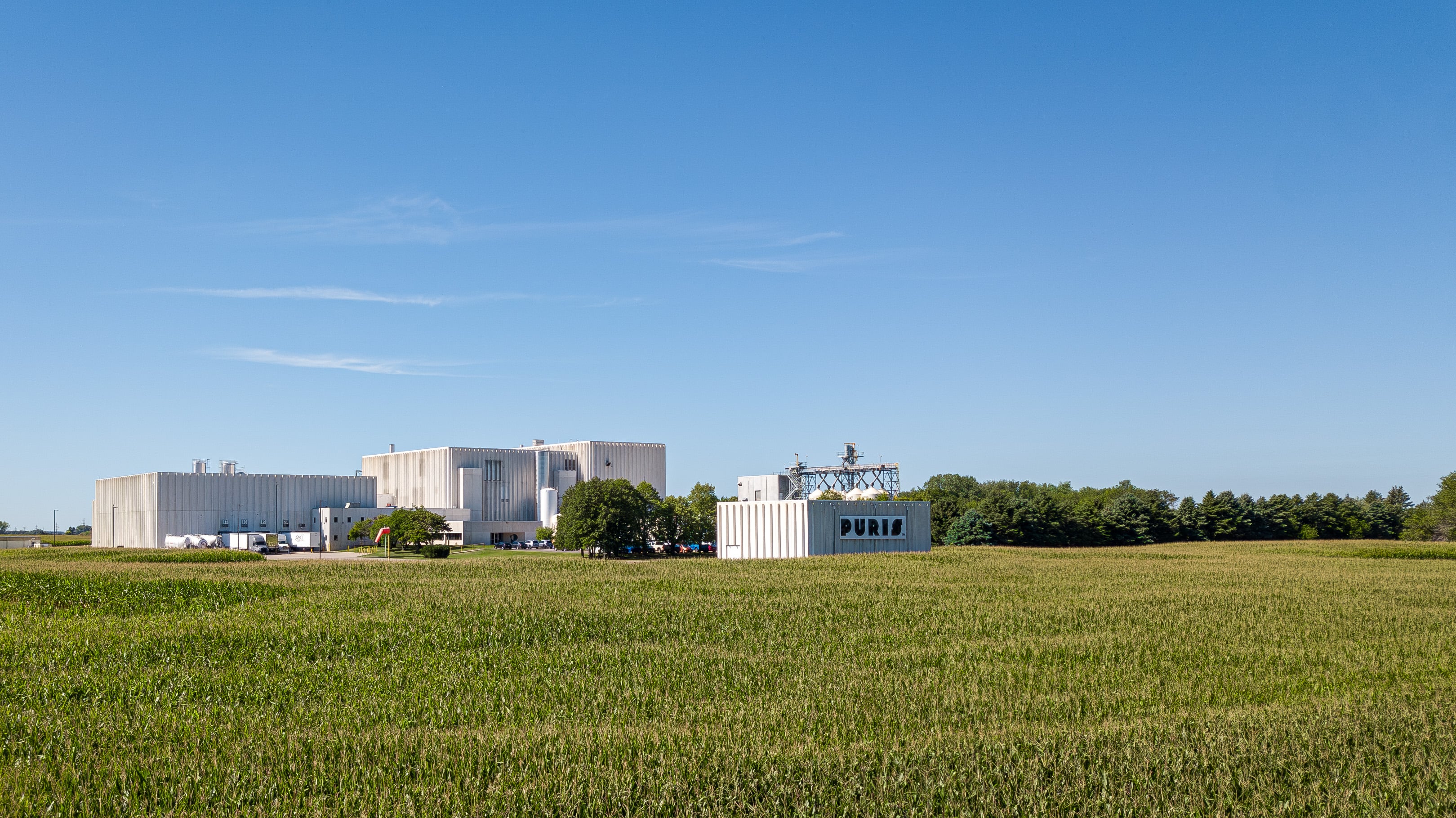
Aerial view of the PURIS Dawson facility

Supply Chain Transparency

How traceability and vertical integration work together to reduce risk and improve consistency across every lot.

Food Safety You Can Stand Behind

Food safety is not built in a single step. It is the result of nurturing a culture of food safety and ensuring that the entire system performs, day after day, across sourcing, production, and verification.

Because the standard is not just what passes a test. It is what you would stand behind at your own table.