Scientific understanding of protein needs has advanced meaningfully over the past decade, leading to higher recommended intakes in major dietary guidelines (Burstad et al., 2025). Reflecting this shift, the 2026 U.S. Dietary Guidelines for Health recommend 1.2–1.6 grams of protein per kilogram of body weight per day (g/kg/day) for healthy adults (USDA) — nearly double earlier baseline recommendations (National Academies, 2023) (EFSA, 2012).
Importantly, protein requirements are not static. They vary by age, life stage, and activity level, reflecting differences in growth, hormonal status, and muscle metabolism. During childhood and adolescence, rapid growth and development increase protein needs on a body-weight basis (Garcia-Iborra et al., 2023). In early and mid-adulthood, requirements generally stabilize, though lifestyle and physiological factors can raise demand (Aragon et al., 2023).

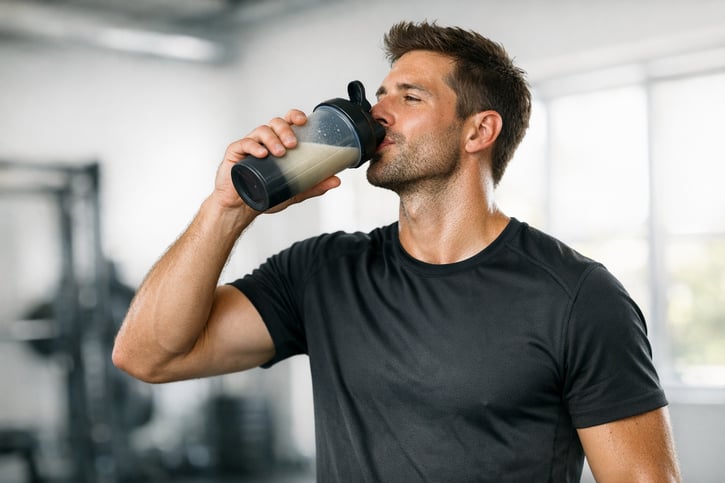
Physical activity is a key driver. Regular exercise, particularly resistance training, increases muscle protein turnover and the need for dietary amino acids to support recovery and adaptation. For physically active teens and adults, protein intakes in the range of 1.2–1.6 g/kg/day are associated with improved muscle maintenance and hypertrophy outcomes (Moore, 2021) (Morton et al., 2018) (Colecchia et al., 2025). Higher protein intake is also recommended during weight-loss interventions, including pharmacologic approaches such as GLP-1 agonist therapies, where ≥1.2 g/kg/day combined with resistance training helps preserve lean muscle during rapid fat loss (Tinsley, 2024).
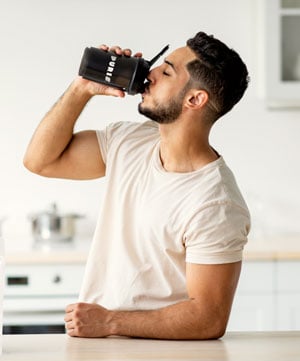
In midlife and beyond, many individuals experience age-related anabolic resistance — a reduced sensitivity of muscle tissue to dietary protein and exercise stimuli (Aragon et al., 2023). This effect, linked in part to diminished activation of the mTOR pathway (a central regulator of muscle protein synthesis), means older adults often require higher protein intakes to achieve the same muscle-maintenance benefits as younger individuals. As a result, expert guidance commonly recommends 1.0–1.2 g/kg/day for older men and postmenopausal women to support muscle health and functional longevity (Bauer et al., 2013) (Ribeiro et al., 2025).
Taken together, these updated recommendations underscore a clear shift toward higher, more individualized protein needs across the lifespan. As dietary patterns evolve, high-quality, well-sourced proteins, when combined with resistance training, play an increasingly important role in supporting growth, metabolic health, and long-term muscle function for both active and aging populations.