Purposeful Processing. Better Nutrition.
Consumers are asking good questions about how food is made. We welcome that.
At PURIS, our ingredients begin with whole yellow peas grown by North American farmers. We use controlled food processing to separate, concentrate, and improve the natural nutrition in the crop so it can be used in foods people actually want to eat.
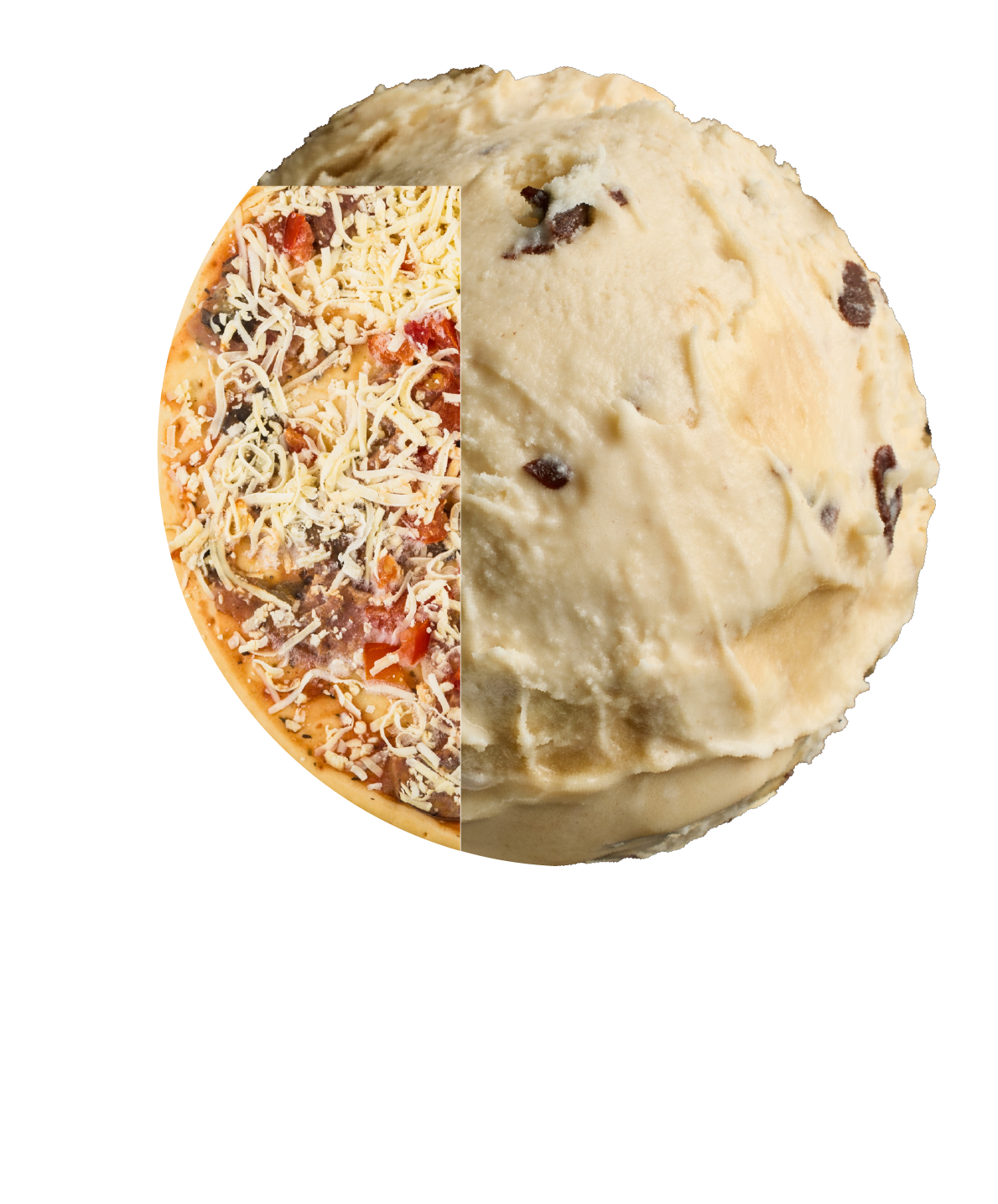
Nutrition Matters More Than a Single Classification System
Consumers deserve clear, accurate information about the foods they eat. Today, discussions about ultra-processed foods continue to evolve. Researchers, regulators, and public health experts are actively debating how foods should be evaluated, and there is not yet a universally accepted U.S. definition of ultra-processed foods.
What is increasingly clear is that nutrition cannot be evaluated by processing alone. Recent reviews suggest that factors such as calorie density, protein content, fiber, sodium, saturated fat, and overall formulation often explain differences in health outcomes attributed to processing.
At PURIS, we believe consumers are best served when foods are evaluated holistically:
- What nutrition does the ingredient provide?
- How is it processed?
- What purpose does the ingredient serve?
- Does it help improve the nutritional profile of the finished food?
- Does it support foods people can enjoy as part of a balanced diet?

Turning Yellow Peas
Into Functional Nutrition
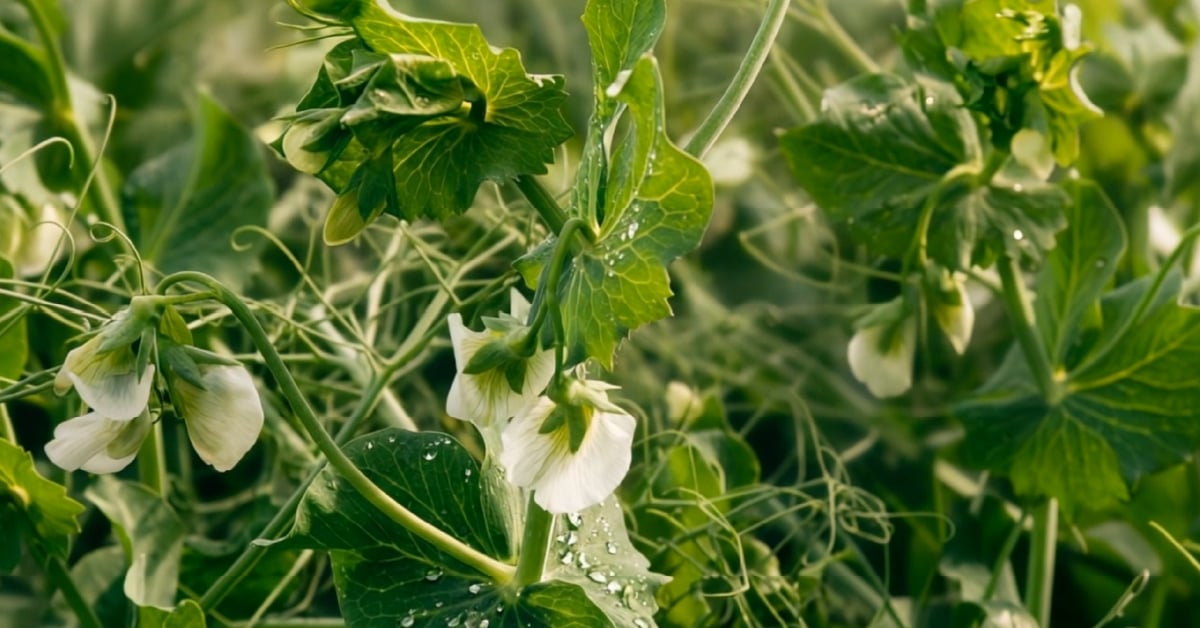
Purposeful Processing
Through controlled milling, separation, concentration, and drying, PURIS produces ingredients that help food companies deliver protein, texture, structure, stability, and clean taste in a wide range of finished foods.
PURIS pea protein processing uses mechanical and water-based approaches that concentrate nutrition and support digestibility, shelf stability, and formulation performance.
This is purposeful processing. Without it, many nutrition-forward products would be harder to make, less affordable, less stable, or less appealing to consumers.

Processing Can Improve Protein Quality
Yellow peas naturally contain compounds that help protect the seed as it grows. Some of these compounds can also reduce protein digestibility and mineral availability.
Processing helps reduce these naturally occurring antinutritional factors while concentrating the protein itself. As a result, pea protein ingredients provide protein in a form that is easier to use in modern food products and easier for the body to utilize than the raw seed alone.
Thoughtful processing doesn't remove nutrition from peas. It helps unlock it.
That same principle is used throughout the food system — from cooking beans and fermenting foods to making yogurt, cheese, and concentrated protein ingredients.
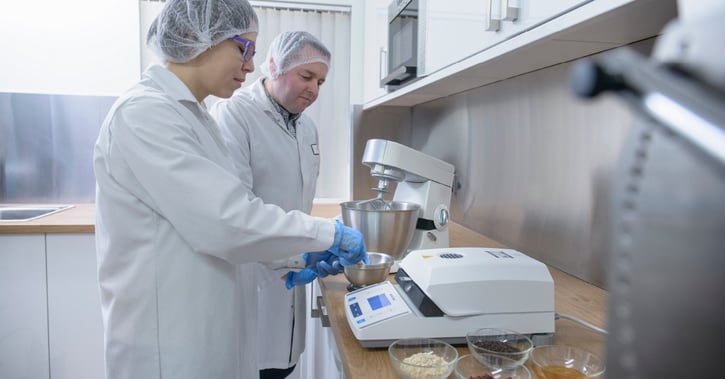
Processing Methods Vary Across Protein Sources
All protein ingredients require processing to concentrate and deliver protein. The important question is how that processing occurs and what nutritional benefits the ingredient provides.
- Pea Protein — Separation of protein from yellow peas using water-based and physical processing steps
- Soy Protein — Separation of protein from soybeans using solvent-based and physical processing steps
- Whey Protein — Separation of protein from cow milk using water-based and physical processing steps
Regardless of source, the goal is similar: concentrate naturally occurring protein so it can be used to create nutritious, functional foods.
PURIS believes the nutritional value, functionality, and transparency of an ingredient are more informative than broad assumptions based solely on the degree of processing.
What Purposeful Processing Makes Possible
PURIS ingredients allow yellow peas to become the foundation for a wide range of nutrition-forward products.


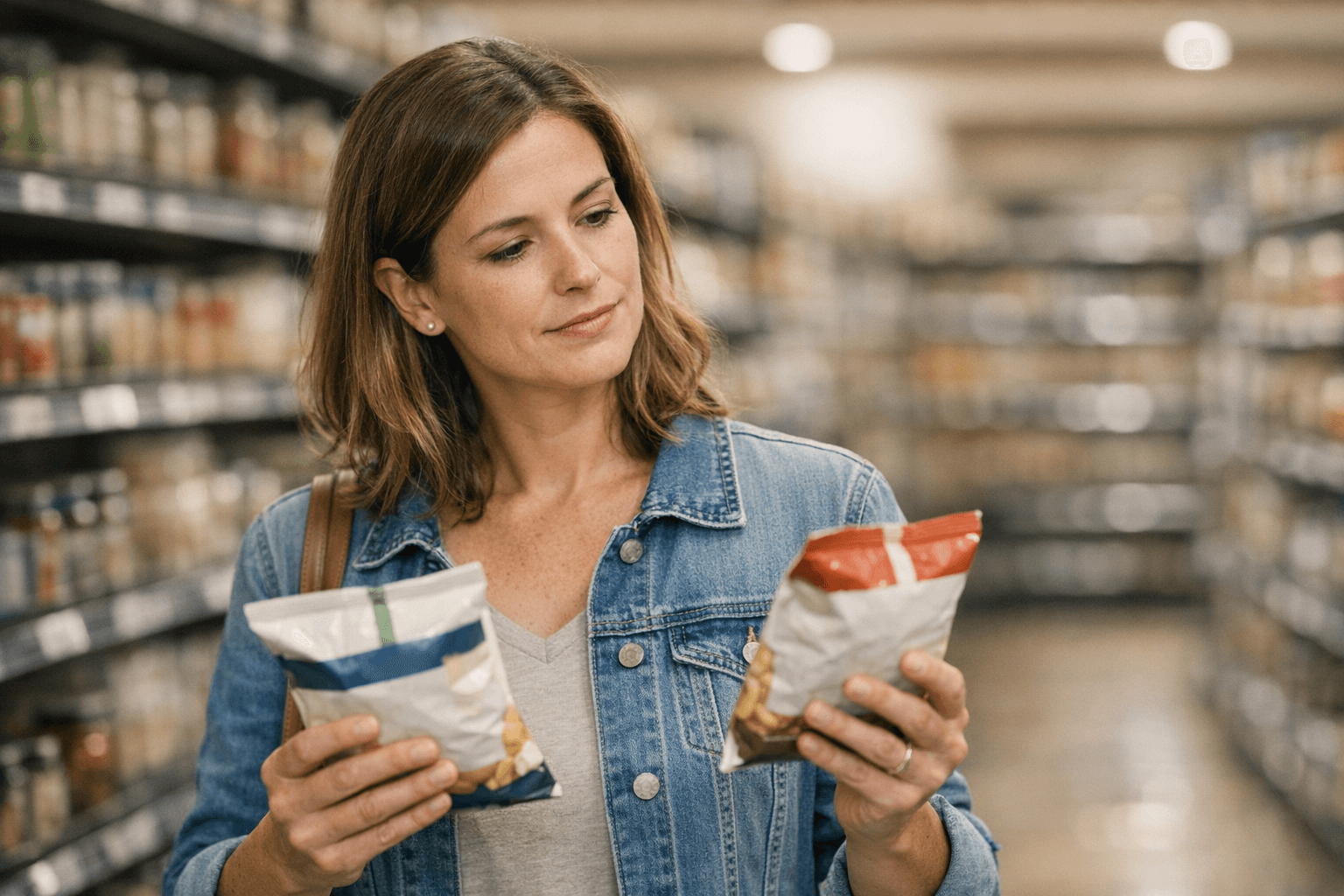
Comparable to Foods Consumers Already Trust
The public conversation often treats plant protein processing as unusual, but food processing is part of many trusted foods.
Cheese requires physical separation, concentration, culture activity, and enzymatic action. Greek yogurt is strained to concentrate protein. Pasta depends on milling, extrusion, and controlled shaping.
In PURIS ingredients, processing helps make pea nutrition more functional, digestible, consistent, and useful for better food design.
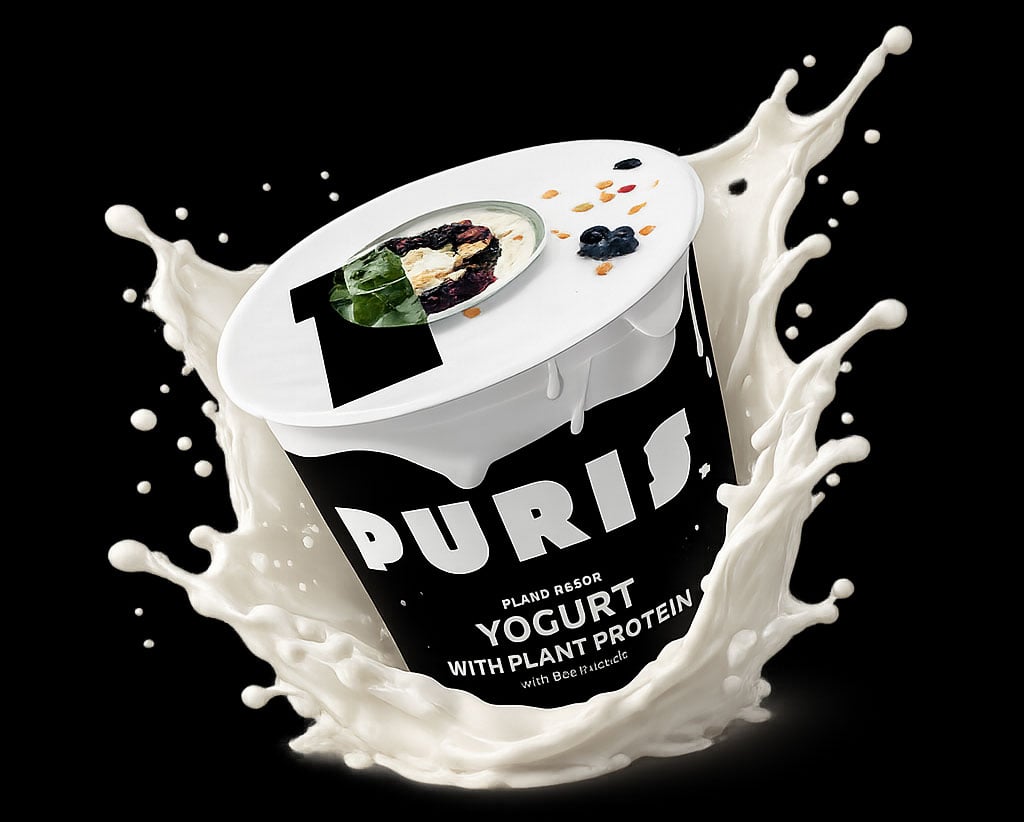
Clean Taste Can Mean Simpler Labels
If a protein ingredient brings bitterness, chalkiness, beany notes, or poor texture, formulators often need to compensate — more flavors, more sweeteners, more masking agents, and longer ingredient lists.
PURIS focuses on clean taste and functional performance because better ingredients can help reduce the need for formulation workarounds. The final nutrition depends on the full formulation, but PURIS ingredients give food makers better tools to formulate toward nutrition, simplicity, and consumer trust.