A Deeper Look at Real World Nutrition
Protein quality in context
Protein quality is not an abstract property of an ingredient. It is shaped by how much protein is consumed, how often it is eaten, and the foods it is eaten in. Protein quality scores play an important role in nutrition science, but they are most meaningful when interpreted in the dietary context in which protein is actually consumed. Eating patterns, total intake, and consistency matter more than isolated protein scores in real world diets.
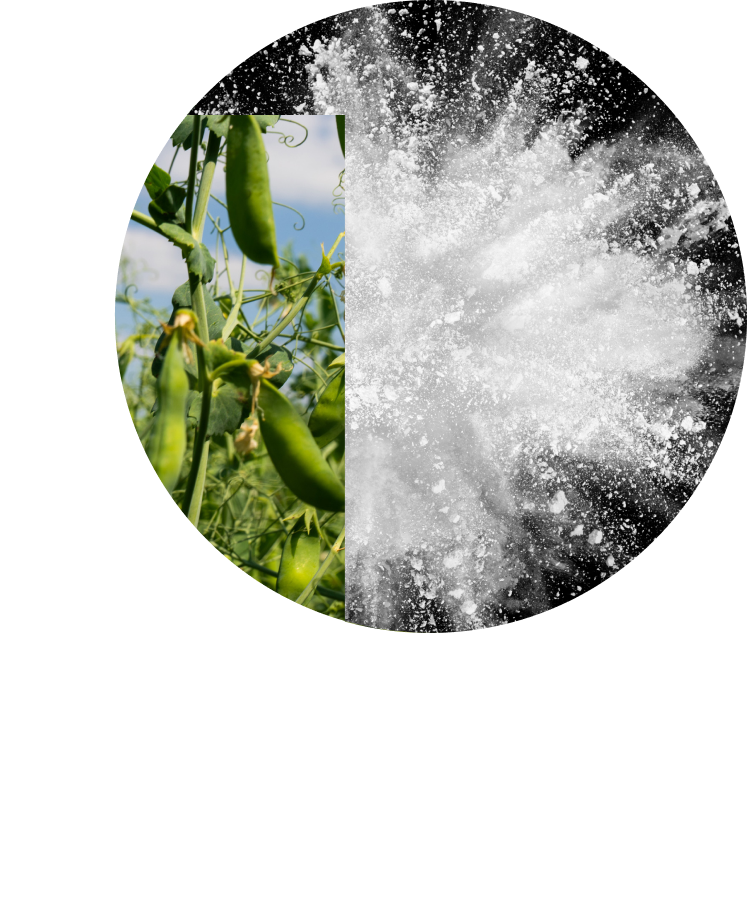

Why Protein Quality Scores Exist
Protein quality scores were developed to answer a very specific question:
Can a single protein source, eaten in limited amounts, meet essential amino acid needs?
This question is especially relevant in:
- Protein limited diets
- Clinical or therapeutic nutrition
- Situations where one protein dominates intake
In those contexts, amino acid balance and digestibility are critical—and protein quality scores are essential tools.
In everyday eating, however, most people consume protein from multiple foods, across multiple meals, and in amounts that exceed minimum requirements. In these mixed, protein adequate diets, protein quality scores tell only part of the story. What drives outcomes is the total amount of absorbable amino acids consumed over time, combined with whether key physiological thresholds, such as sufficient protein and leucine per meal are reached consistently.

PDCAAS: The Original Protein Quality Score
PDCAAS (Protein Digestibility Corrected Amino Acid Score) estimates protein quality by:
- Comparing a protein’s essential amino acid profile to human needs
- Adjusting for how much of that protein is digested
It has been widely used for decades in nutrition policy and labeling and is capped at a maximum score of 1.0.
What PDCAAS does well: It helps identify whether a protein can meet essential amino acid requirements when intake is low.
Its limitation: It treats digestion as a single, endpoint outcome and does not reflect how amino acids are absorbed throughout the digestive process or across meals.
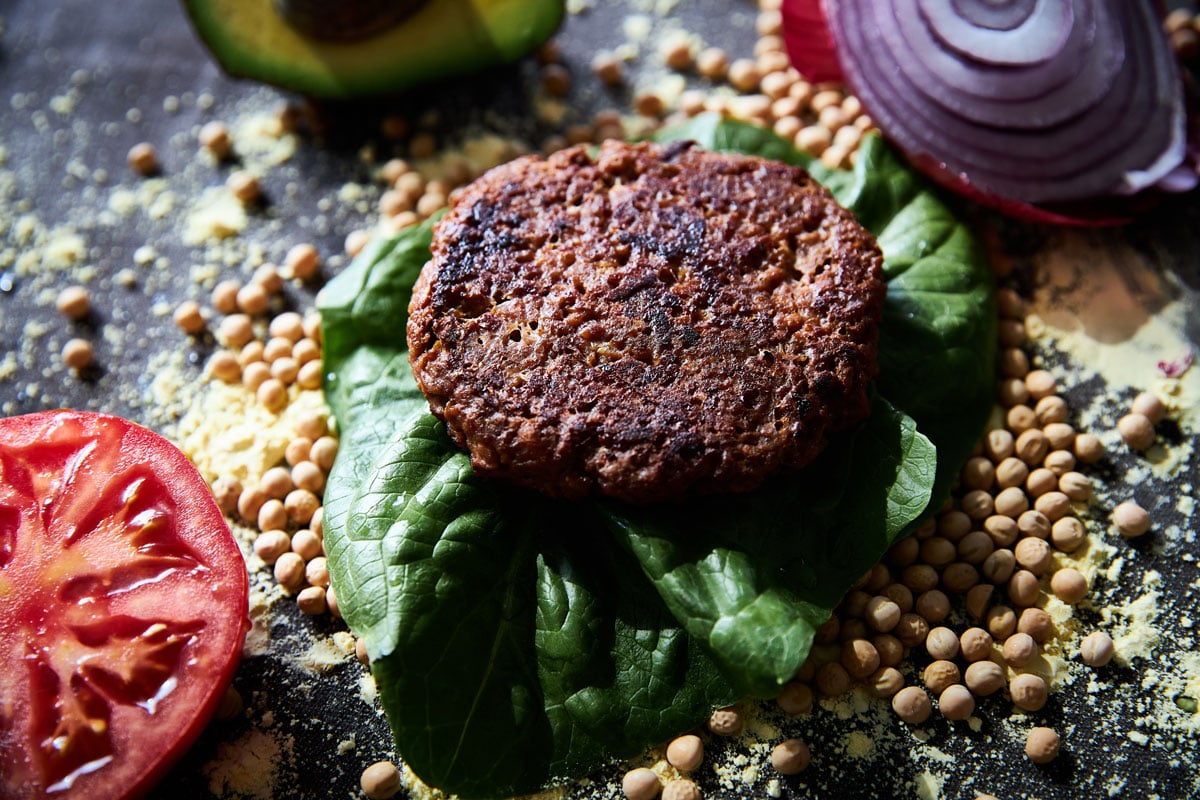
DIAAS: A More Granular Research Tool
DIAAS (Digestible Indispensable Amino Acid Score) takes a more detailed approach by estimating how well individual essential amino acids are absorbed during digestion.
Rather than looking only at what remains at the end of digestion, DIAAS focuses on:
- The availability of amino acids where absorption actually occurs
- Individual amino acids rather than a single composite score
DIAAS provides more nuance, but it is still evolving in how it is applied in food systems and regulation.
Modern Protein Needs
A growing body of research supports protein intakes above the minimum RDA for optimal health outcomes, especially for muscle maintenance, metabolic health, and healthy aging. Muscle protein synthesis is not determined by isolated per gram comparisons. It is driven by repeated activation of anabolic pathways, including mTOR, across meals and days. This means protein performance must be evaluated in the context of real eating patterns, not single ingredients in isolation.
Many experts now recommend a daily protein intake of approximately:
1.0–1.2 grams of protein per kilogram of body weight per day
At this level:
- Essential amino acid requirements are comfortably met
- The body has sufficient substrate to support muscle repair and maintenance
- Small differences in amino acid density between complete proteins become far less meaningful
What matters most is not perfection per gram, but adequacy over time.
.jpg?width=1450&height=1293&name=optimized-DSC01611%20(1).jpg)
_1500px.jpg?width=1920&height=1280&name=PURIS_RTD2828%20(2)_1500px.jpg)
Where Pea Protein Performs Well
Pea protein is a high-quality plant protein. It contains all essential amino acids, supplies meaningful amounts of branched-chain amino acids, supports muscle outcomes when consumed in adequate servings, and performs well across repeated meals in mixed diets.
These characteristics make pea protein a strong foundation for a wide range of consumer products, from beverages and bars to snacks and meal replacements. When evaluated in the context of real dietary patterns rather than single-ingredient benchmarks, pea protein consistently demonstrates its value as a versatile, effective plant protein source.
PURIS pea protein delivers these benefits with the reliability and scale that B2B partners need to build successful product lines.
Protein Timing: Why Distribution Across Meals Matters
Protein does not work all at once. Muscle protein synthesis responds to repeated protein intake across the day, not a single large dose. Consuming adequate protein at multiple meals supports muscle protein synthesis more effectively than skewed intake.
Total amino acid exposure over hours and days predicts outcomes better than per-gram comparisons. For formulators, this means the real question is not whether a single serving achieves a perfect amino acid profile in isolation, but whether the protein ingredient supports consistent, enjoyable consumption across multiple eating occasions throughout the day.
When consumers distribute their protein intake effectively, the contribution of each individual source becomes part of a larger, cumulative picture of nutrition.

Mixed Diets Reduce the Importance of Isolated Scores
In real life, people eat meals with multiple protein sources: foods combined with grains, legumes, vegetables, and fats, and products formulated for taste, texture, and enjoyment. Amino acids naturally complement one another, digestibility differences narrow, and the biological relevance of small score differences declines.
Requiring every product to reach a perfect protein score at the ingredient level is not biologically necessary in protein-adequate diets. When amino acids from different foods are consumed together or within the same meal window, complementary profiles fill gaps that any single source might have on its own.
For product developers, this context matters. Formulation decisions should reflect how consumers actually eat, not how ingredients perform in isolated laboratory assessments.
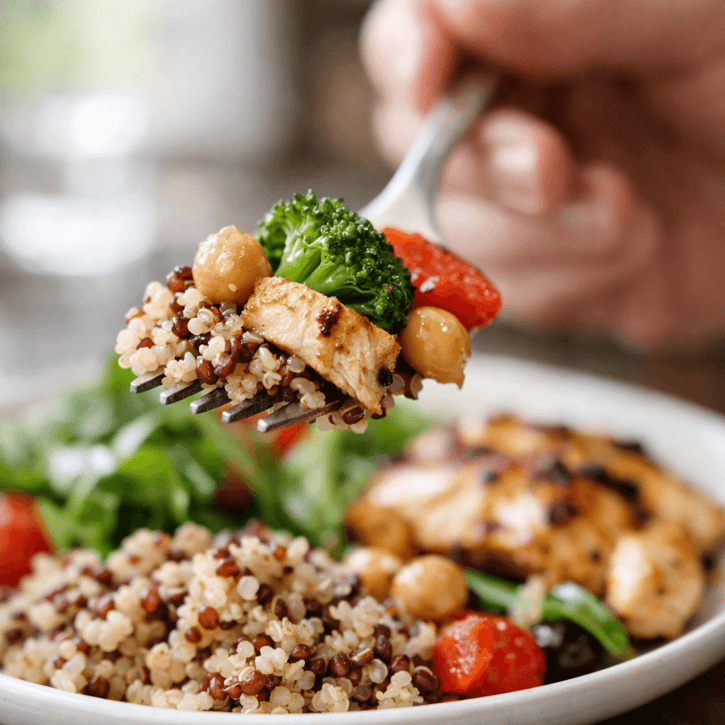
Taste Enjoyment and Consistency: The Most Undervalued Factors
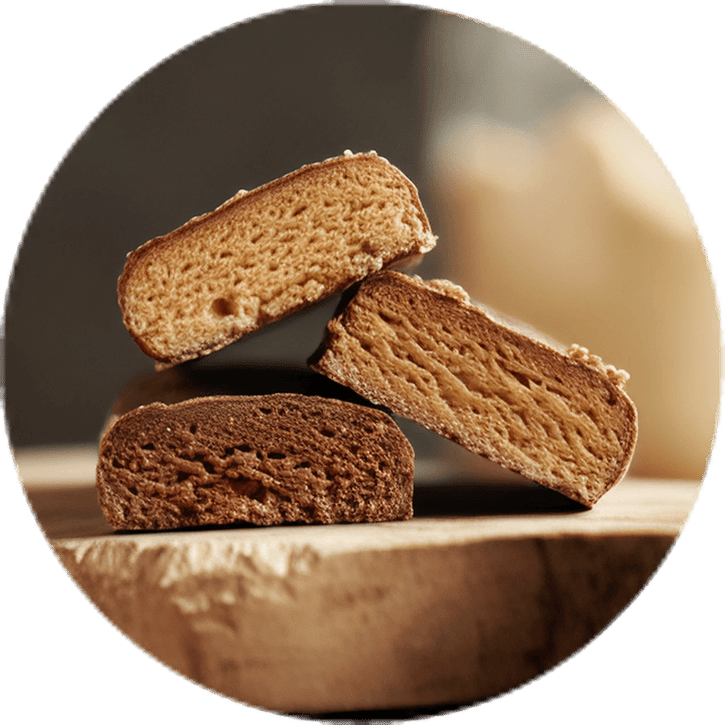
One of the strongest predictors of nutrition outcomes is whether people actually eat the food. Palatability and enjoyment strongly influence intake (Hossain et al., 2025). A protein that scores perfectly but is eaten inconsistently delivers less nutrition than a protein people enjoy and consume regularly.
Adding secondary proteins solely to manipulate protein scores can introduce off-flavors, increase formulation complexity, and reduce consumer acceptance and repeat use. When consumers stop buying a product because it does not taste good, even the highest protein quality score becomes irrelevant.
Formulators who prioritize great taste and smooth texture alongside strong nutritional profiles are building products that deliver real-world results, not just label claims.
Why Formulation Choices Matter
The best protein ingredient is one that delivers strong nutrition, great taste, and consistent consumer acceptance. Chasing marginal improvements in isolated protein scores at the expense of flavor, texture, or formulation simplicity can work against the very outcomes those scores are meant to predict.
Protein quality is real and important. But it must be evaluated in context: across meals, within mixed diets, and alongside the taste and enjoyment factors that determine whether consumers actually eat the product day after day.
PURIS pea protein gives formulators a high-quality plant protein that performs where it matters most: in the products people love to eat. Connect with PURIS to learn more about formulating with pea protein that delivers both nutrition and consumer appeal.
The Real Questions That Matter for Formulators
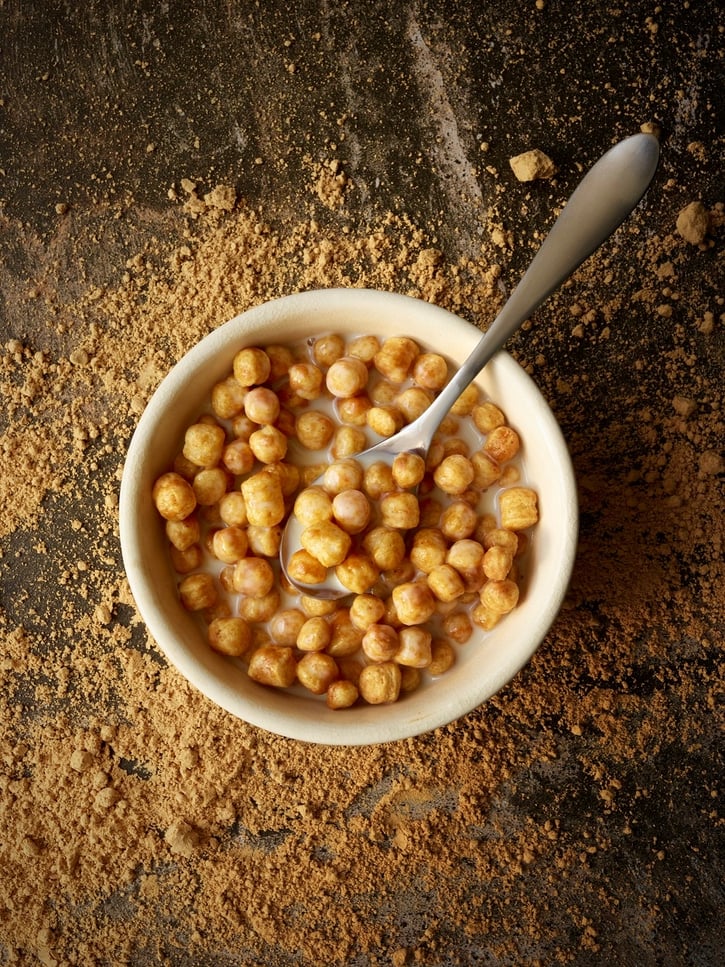
Protein quality metrics remain valuable for formulation guidance and regulatory contexts, but they must be interpreted within the realities of how people actually eat. In protein-adequate diets, the most important questions are not about amino acid scores in isolation.
The questions that truly matter:
- Does the product deliver meaningful protein per serving?
- Is it enjoyable enough to be eaten repeatedly?
- Does it fit naturally into everyday meals and routines?
When the answer to these questions is yes, formulating exclusively with pea protein is a valid, evidence-based choice. Products that people love to eat, reach for again and again, and incorporate seamlessly into their daily lives deliver real nutritional impact. That is the context where pea protein truly shines.