Amino Acids: The Building Blocks Behind Protein Quality
Why the Amino Acids Inside a Protein Determine How Your Body Can Use It
Protein Quality Starts With Amino Acids
When you eat protein, your body breaks it down into amino acids, which are then used to build, maintain, and repair tissues throughout the body.
Some proteins deliver more of certain amino acids than others. That's why nutrition scientists evaluate protein quality based not only on total protein, but also on the amino acids that protein provides.
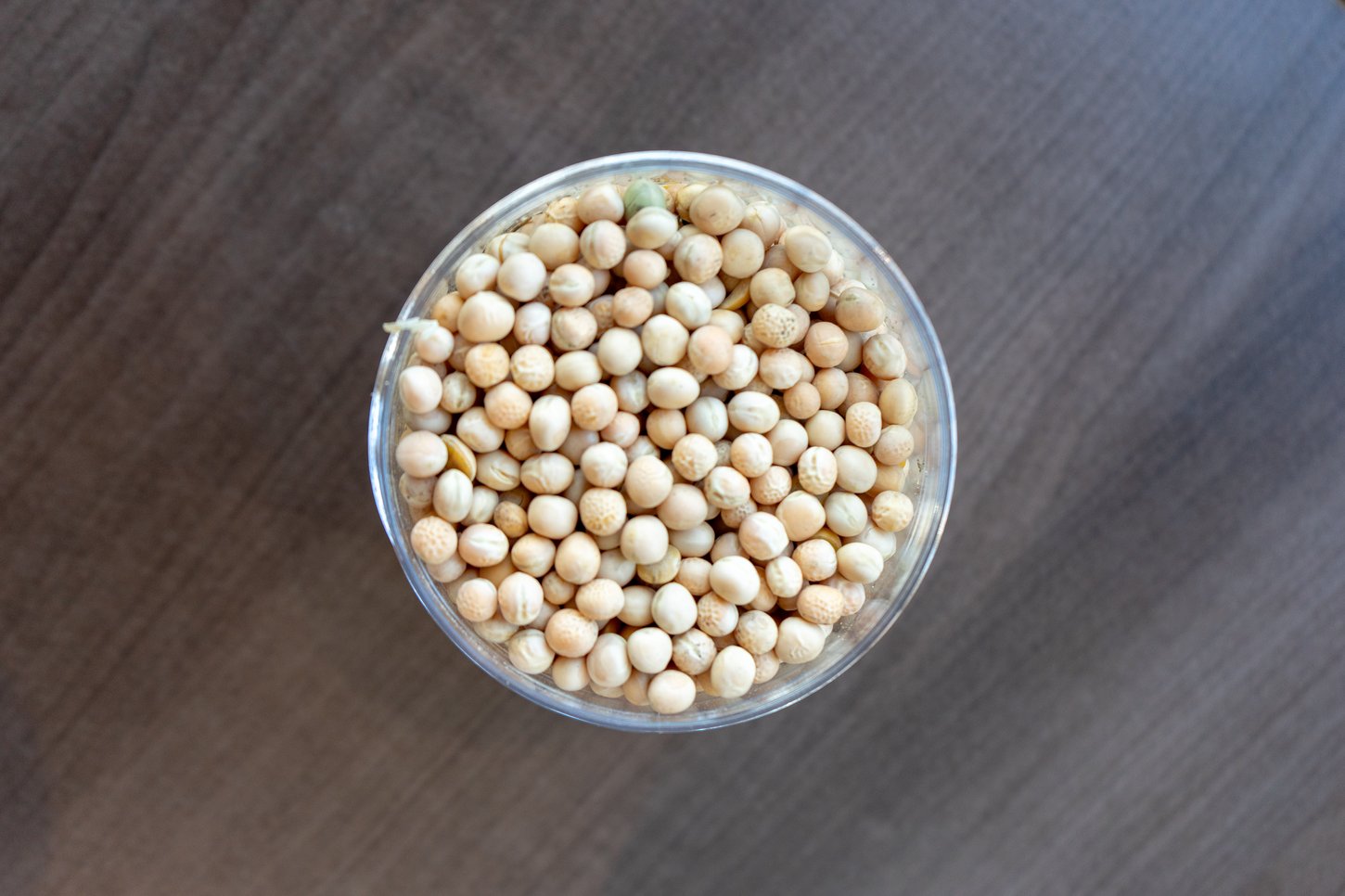
Pea protein contains all the essential amino acids and is particularly rich in several amino acids associated with muscle health, tissue repair, and overall wellness (Gorissen et al., 2018).
Meet the Amino Acids Shining in Your Pea Protein
Each amino acid plays a different role in how protein supports the body, from signaling muscle repair to helping build, maintain, and renew tissue.

Leucine
The Amino Acid That Helps Signal Growth
Leucine is one of the most researched amino acids in nutrition science. It plays a key role in activating muscle protein synthesis, the biological process responsible for building, repairing, and maintaining muscle tissue. Research suggests that consuming sufficient leucine at a meal helps stimulate the body's muscle-building response (Murphy et al., 2016).
Whether you're recovering from a workout, maintaining an active lifestyle, or working to preserve strength and mobility as you age, leucine is one of the amino acids your body relies on most (Babault et al., 2015).
Why It Matters
- Helps activate muscle protein synthesis
- Supports muscle maintenance throughout life
- Supports recovery after exercise
- Important for healthy aging and mobility
Leucine Content in Various Proteins
| Protein Source | Leucine (g/100g protein) |
|---|---|
| Whey Protein | 11.7 |
| Milk Protein | 10.0 |
| Chicken Protein | 8.8 |
| Beef Protein | 8.6 |
| Pea Protein | 8.5 |
| Wheat Protein | 6.3 |
| Collagen | 2.6 |
Amino acid levels can vary naturally from one protein source or ingredient lot to another. These values are meant to show general trends across proteins, not exact amounts for every product. Compiled from (Gorissen et al., 2018), Boye et al. (2010), USDA FoodData Central and FAO (Bender, 1992).
What This Means For You
Pea protein delivers leucine levels comparable to beef and chicken and substantially more than collagen protein. Whey protein contains more leucine than pea protein, yet research suggests that overall protein intake may be more important than small differences in amino acid composition for supporting muscle health. Clinical studies have shown that pea protein and other plant proteins can support gains in muscle size and strength comparable to animal proteins when consumed as part of a protein-adequate diet and training program (Babault et al., 2015) (Hevia-Larrain et al., 2021).

Protein Is More Than a Number on a Nutrition Label
The amino acids inside a protein help determine how your body can use it. Some proteins excel in leucine. Others provide collagen-supporting amino acids.
Pea protein stands out for delivering a strong balance of essential amino acids while naturally providing meaningful levels of leucine, lysine, arginine, and branched-chain amino acids (Gorissen et al., 2018).
A Complete, Balanced Amino Acid Profile
Pea protein delivers all the essential amino acids alongside leucine levels comparable to beef and chicken, BCAAs on par with animal proteins, and more arginine than any commonly consumed dairy protein. For formulators, that means protein quality you can build a claim around — and for consumers, a protein that supports muscle, recovery, and everyday wellness.