Nutrition Science

Protein Needs at a Glance

What the updated guidelines mean for your formulations

The 2026 U.S. Dietary Guidelines now recommend 1.2–1.6 g of protein per kg of body weight per day, nearly double earlier baselines. Here is how needs shift across life stages, and why pea protein meets them.

P_logos_peas1_W

The New Math of
Daily Protein

2026 U.S. Dietary Guidelines · Updated Recommendations

Scientific understanding of protein needs has advanced meaningfully over the past decade, leading to higher recommended intakes in major dietary guidelines. Reflecting this shift, the 2026 U.S. Dietary Guidelines for Health recommend 1.2–1.6 grams of protein per kilogram of body weight per day (g/kg/day) for healthy adults — nearly double earlier baseline recommendations.

Importantly, protein requirements are not static. They vary by age, life stage, and activity level, reflecting differences in growth, hormonal status, and muscle metabolism. During childhood and adolescence, rapid growth and development increase protein needs on a body-weight basis. In early and mid-adulthood, requirements generally stabilize, though lifestyle and physiological factors can raise demand.


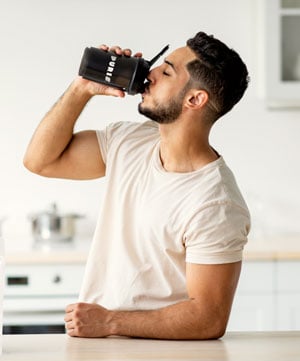
pexels-yankrukov-8436147

Physical activity is a key driver. Regular exercise, particularly resistance training, increases muscle protein turnover and the need for dietary amino acids to support recovery and adaptation. For physically active teens and adults, protein intakes in the range of 1.2–1.6 g/kg/day are associated with improved muscle maintenance and hypertrophy outcomes. Higher protein intake is also recommended during weight-loss interventions, including pharmacologic approaches such as GLP-1 agonist therapies, where ≥1.2 g/kg/day combined with resistance training helps preserve lean muscle during rapid fat loss.


guy-drinking-puris-shake1

In midlife and beyond, many individuals experience age-related anabolic resistance — a reduced sensitivity of muscle tissue to dietary protein and exercise stimuli. This effect, linked in part to diminished activation of the mTOR pathway (a central regulator of muscle protein synthesis), means older adults often require higher protein intakes to achieve the same muscle-maintenance benefits as younger individuals. As a result, expert guidance commonly recommends 1.0–1.2 g/kg/day for older men and postmenopausal women to support muscle health and functional longevity.


Taken together, these updated recommendations underscore a clear shift toward higher, more individualized protein needs across the lifespan. As dietary patterns evolve, high-quality, well-sourced proteins, when combined with resistance training, play an increasingly important role in supporting growth, metabolic health, and long-term muscle function for both active and aging populations.


Protein Recommendations
by Population

Recommended daily intakes vary by age, life stage, and goal.
Higher targets reflect updated guidance on muscle maintenance, hypertrophy, and lean-mass preservation.

Children (4–13 y)
Growth & development
Supports rapid growth
Teens (14–18 y)
Muscle maintenance (general)
Meets growth & daily needs
Teens (14–18 y)
Muscle hypertrophy (active/athlete)
Optimizes muscle gains during training
Adults
Muscle maintenance (typical activity)
Preserves lean mass & health
Adults
Muscle hypertrophy (resistance training)
Maximizes muscle growth with training
Peri-/Post-Menopause Women
Muscle maintenance
Counters age-related sarcopenia
Older Adults (≥65 y)
Muscle maintenance (healthy aging)
Offsets age-related sarcopenia
Adults on GLP-1 Therapy
Muscle preservation (weight loss)
Higher protein + exercise preserves lean mass

Pea Protein
Across Life Stages

Children & Teens
Open Close

For Children and Teens

During growth and development, meeting protein needs can be challenging — particularly for children with allergies or dietary restrictions.

  • Pea protein is already used in pediatric nutrition products, including plant-based enteral formulas.
  • In a clinical survey of pediatric and adult patients switching to a pea-based formula, over 60% reported improved GI tolerance and the ability to meet more than 50% of their total nutrition.
  • As a high-lysine, easily digestible protein, pea protein complements grain-based diets and supports healthy growth.
Kids Playing at a Park
Active Adults & Athletes
Open Close

For Active Adults and Athletes

For individuals focused on muscle maintenance, recovery, or hypertrophy, pea protein performs comparably to animal proteins when total intake is sufficient.

  • In a 12-week resistance-training study, men supplementing with pea protein achieved muscle gains equivalent to whey protein and greater gains than placebo.
  • A 2021 meta-analysis of 19 clinical trials found no significant differences in muscle size or strength outcomes between plant-based proteins (including pea and soy) and animal proteins when high-quality sources, resistance training, and adequate intake were used.
  • With its complete amino acid profile and meaningful leucine content, pea protein effectively supports post-exercise muscle repair without dairy or allergens.
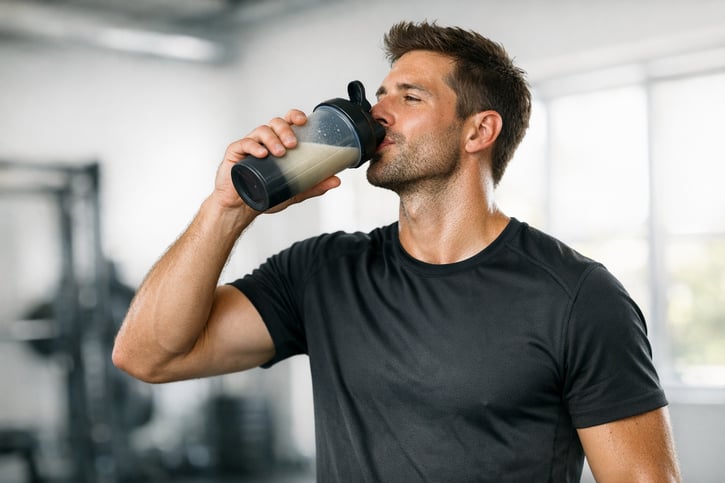
Athlete drinking a protein shake after training
Healthy Aging
Open Close

For Healthy Aging

Protein intake often declines with age, even as requirements increase to counter muscle loss.

  • Research shows that higher protein intake, from either animal or plant sources including pea protein, similarly increases muscle protein synthesis in older adults when combined with resistance exercise.
  • Pea-protein-fortified foods such as shakes, soups, and meal-replacement solutions allow older adults to increase protein intake without relying on large portions of meat or dairy.
  • As a cholesterol-free, heart-healthy option, pea protein fits well into age-friendly dietary patterns focused on strength, mobility, and long-term function.
pexels-mikhail-nilov-6973172
Weight Management & GLP-1
Open Close

For Weight Management and GLP-1 Users

Protein plays a central role in appetite regulation and lean-mass preservation during weight loss.

  • Protein consumption increases the release of appetite-regulating hormones such as GLP-1 and PYY, leading to improved satiety and reduced subsequent calorie intake compared to high-carbohydrate meals.
  • Pea protein is widely used in meal replacements and nutrition bars due to its satiety benefits and low caloric density.
  • This is particularly important for individuals using GLP-1 agonist medications, who often experience reduced appetite. Fortifying foods with pea protein helps these consumers meet ≥1.2 g/kg/day protein targets and protect against muscle loss during weight reduction.
LinkedIn Posts GLP1 Blog PURIS
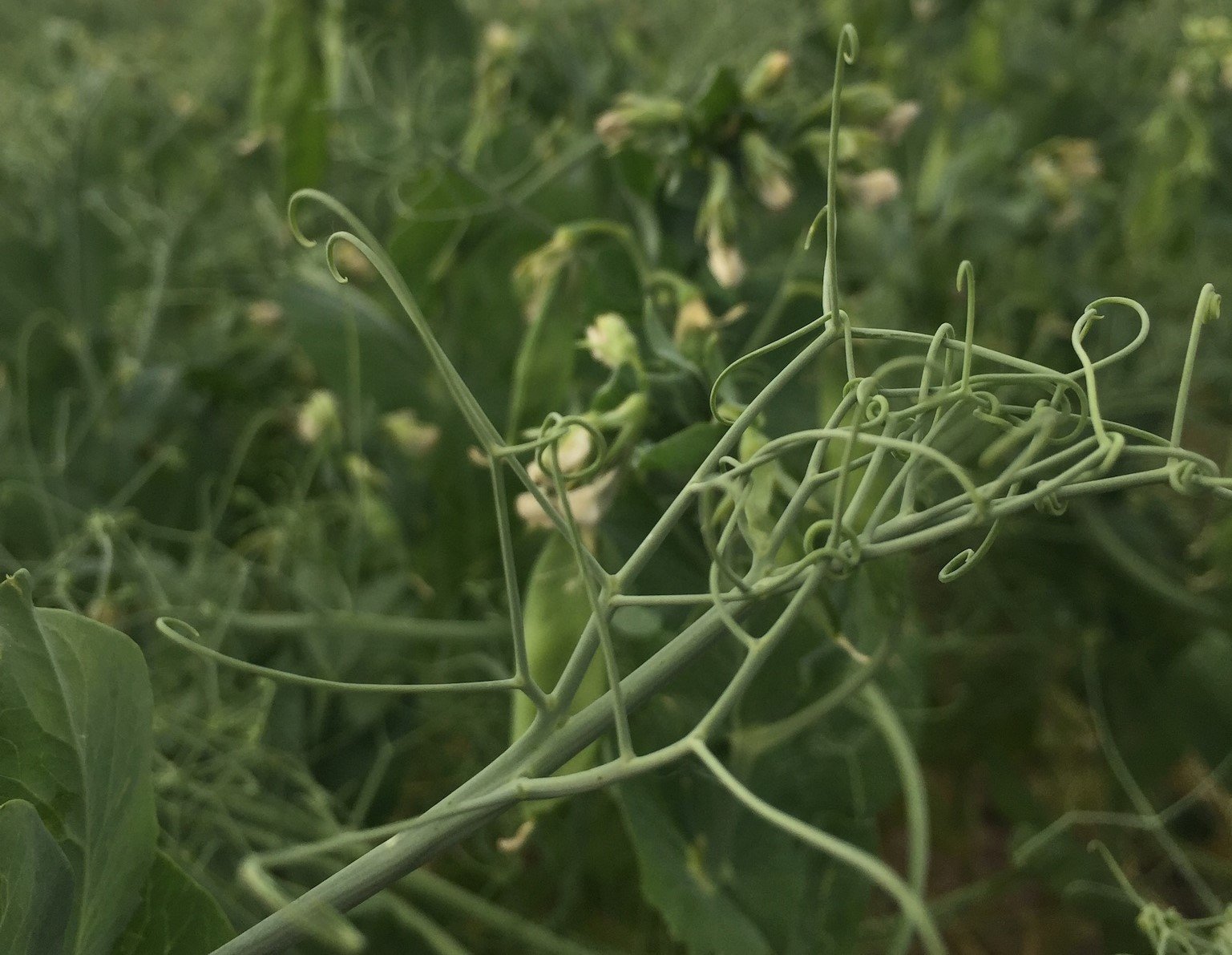
PURIS non-GMO verified pea plants on a black background

Pea Protein: A Plant Based Solution Across Populations

As protein recommendations rise across life stages and use cases, the question shifts from how much protein is needed to how those needs can be met. Pea protein has emerged as a versatile, high-quality plant protein that performs across populations — from childhood through older adulthood. Its adaptability across formats, from beverages and bars to clinical and everyday nutrition, lets brands hit specific protein targets without compromising on taste, label, or sustainability. As consumer expectations evolve, that flexibility makes pea protein a dependable foundation for the next generation of high-protein products.

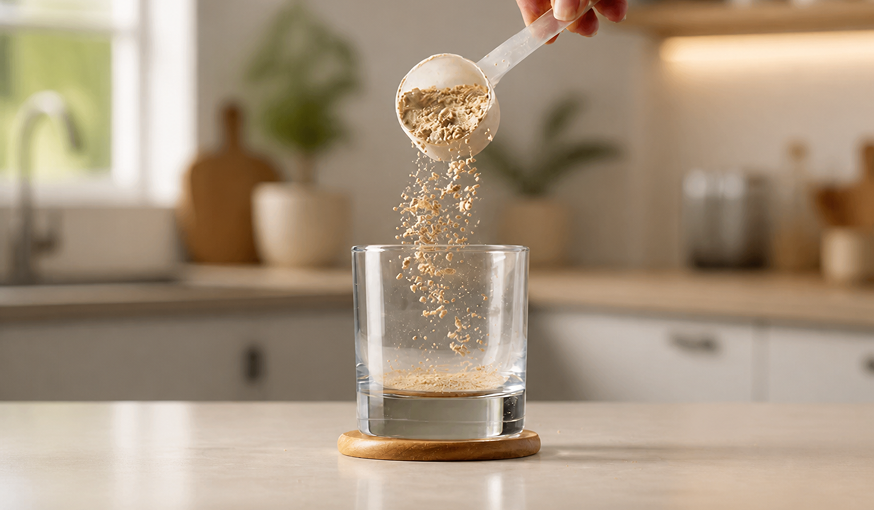
protein-sports-powder__hs_191305016457 1

Why Pea Protein Works

Pea protein isolate, produced from yellow peas, delivers a strong nutritional foundation:

  • Complete amino acid profile. Contains all nine essential amino acids. While slightly lower in methionine, this is easily balanced within mixed diets.
  • Leucine-rich for muscle support. Pea protein contains approximately 8% leucine by weight, or about 2.5 g leucine per 30 g serving. Leucine is the key amino acid that activates the mTOR pathway, which drives muscle protein synthesis.
  • Highly digestible and bioavailable. True digestibility is approximately 90% or higher in published studies, allowing amino acids to be efficiently absorbed and utilized.
  • Allergen-friendly and formulation-ready. Naturally free from dairy, soy, and gluten, pea protein is well tolerated and easy to incorporate into foods and beverages.

Together, these attributes make pea protein a practical solution for delivering higher protein intakes across diverse dietary needs.

A Flexible Protein for Modern Nutrition

Protein needs differ across life stages and health goals, but PURIS® pea protein consistently meets the challenge. From supporting growth and athletic performance to preserving muscle during aging or weight loss, PURIS® Pea Protein enables food and beverage innovators to deliver high-quality, science-backed nutrition in a sustainable, accessible form.