Cereals & Snacks
Today’s cereal and snack brands are being reshaped by consumers who want more from everyday foods: more protein, better nutrition, clean labels, and products that fit real life. The category is evolving fast, and success now depends on how well brands can balance health, taste, cost, and transparency at scale.
.png?width=707&height=873&name=P_logos_cereal_2_W%20(1).png)
Raising The
Bar On
Protein
Innovation
Make Protein Feel Effortless
Adding meaningful protein often introduces issues with taste, texture, or chalkiness, especially in cereals and snacks. Consumers may want protein, but they won’t tolerate products that feel overly processed or sacrifice enjoyment.
What formulators need:
- Smooth texture and familiar eating experiences
- Neutral flavor profiles that work across sweet and savory formats
- Protein levels that feel intentional, not forced
By using proteins designed for cereal & snacking, brands can add protein while preserving taste, texture, and processing performance.
Clean Labels,
Confident Formulation
Consumers are scrutinizing ingredient lists more closely than ever, pushing brands away from artificial additives, allergens, and overly complex formulations. At the same time, reformulation risk is real, changes that are too noticeable can alienate loyal buyers.
What formulators need:
- Shorter, simpler ingredient statements
- Familiar, recognizable protein sources
- Flexibility to meet evolving labeling and regulatory standards
Pea protein’s clean-label credentials allow brands to simplify formulations while maintaining functional performance, helping future‑proof products as regulations and consumer expectations evolve.
Standing Out Beyond Protein Claims
Protein claims are everywhere. As private label and new entrants flood the market, differentiation is harder to achieve, and “high protein” alone is no longer enough.
What brand’s need:
- Ingredients that support authentic brand storytelling
- Transparent sourcing and supply chain confidence
- Scalable solutions that work from pilot to national rollout
Reliable, traceable plant protein supply helps brands differentiate with confidence—supporting claims around quality, sourcing, and consistency that resonate with today’s shoppers.
Designed for Faster, Smarter Scale
Inflation, commodity volatility, and the pressure of retail pricing make it difficult to innovate without increasing costs or slowing time to market.
What brand’s need:
- Predictable supply and pricing
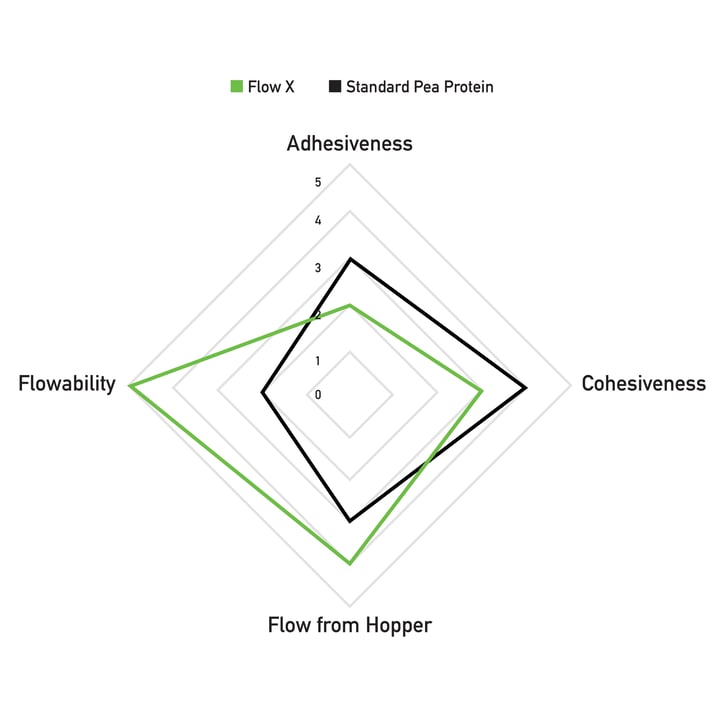
- Ingredients that perform consistently at scale
- Partners who understand commercial realities, and not just R&D goals
Vertically integrated supply and food first protein solutions help brands scale efficiently, manage risk, and move faster from concept to shelf.
Why This Matters Now
The cereal and snacking category is not just evolving, it’s being reset. Protein is no longer a differentiator; it’s an expectation. The brands that succeed will be those that:
- Deliver protein in familiar, enjoyable formats
- Meet clean label and regulatory demands without sacrificing quality
- Move quickly while protecting brand trust
PURIS works alongside food brands to help navigate this complexity, bringing together agricultural roots, food science expertise, and scalable plant protein solutions designed for real-world performance.
Snack & performance bars
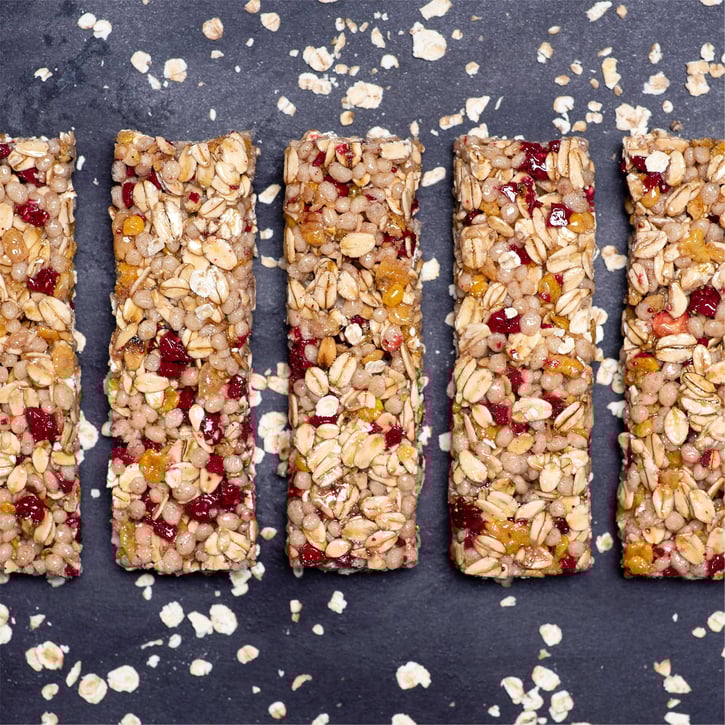
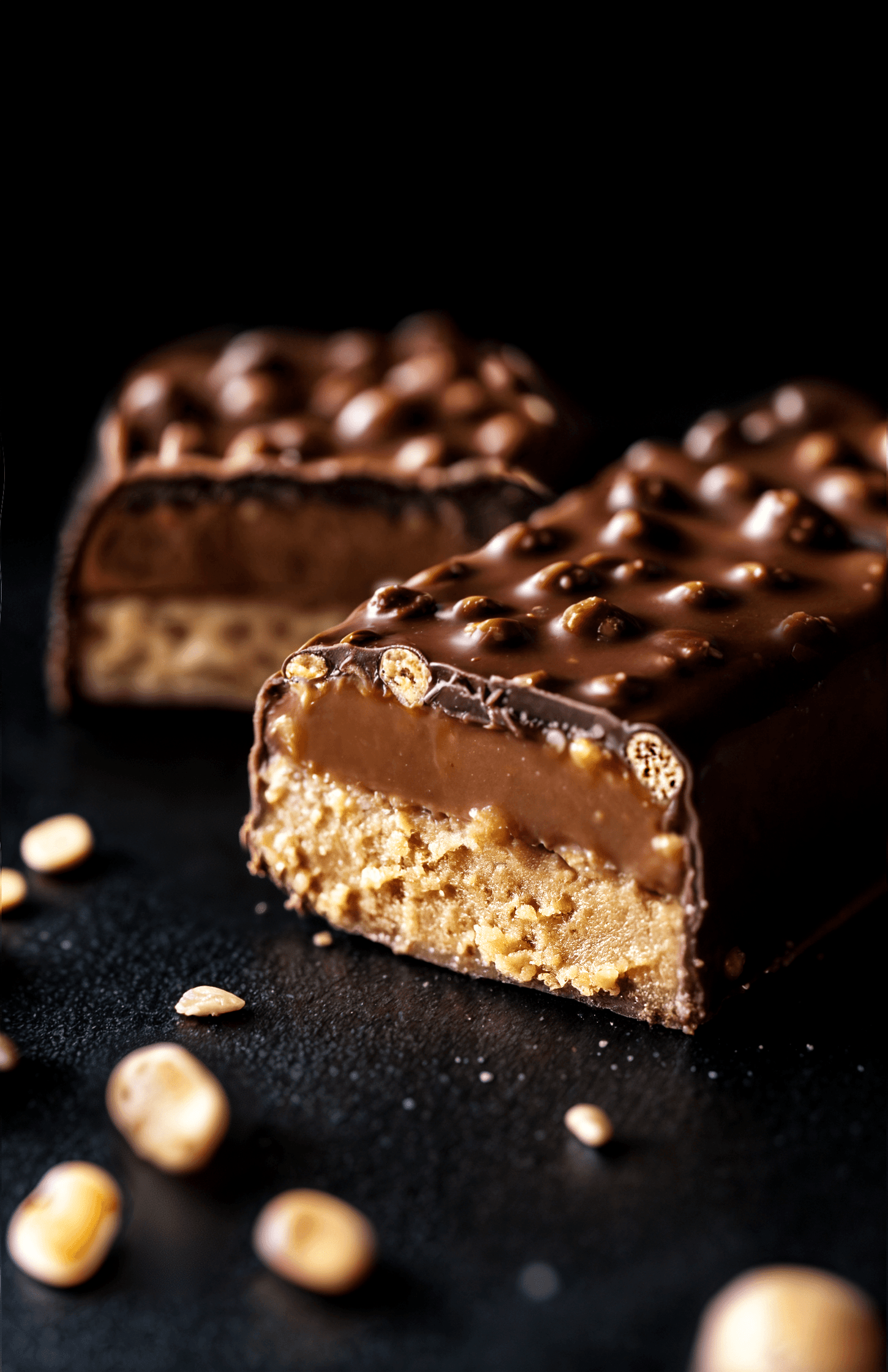
Bring an on-the-go recovery snack to the market, featuring allergen-friendly pea protein.
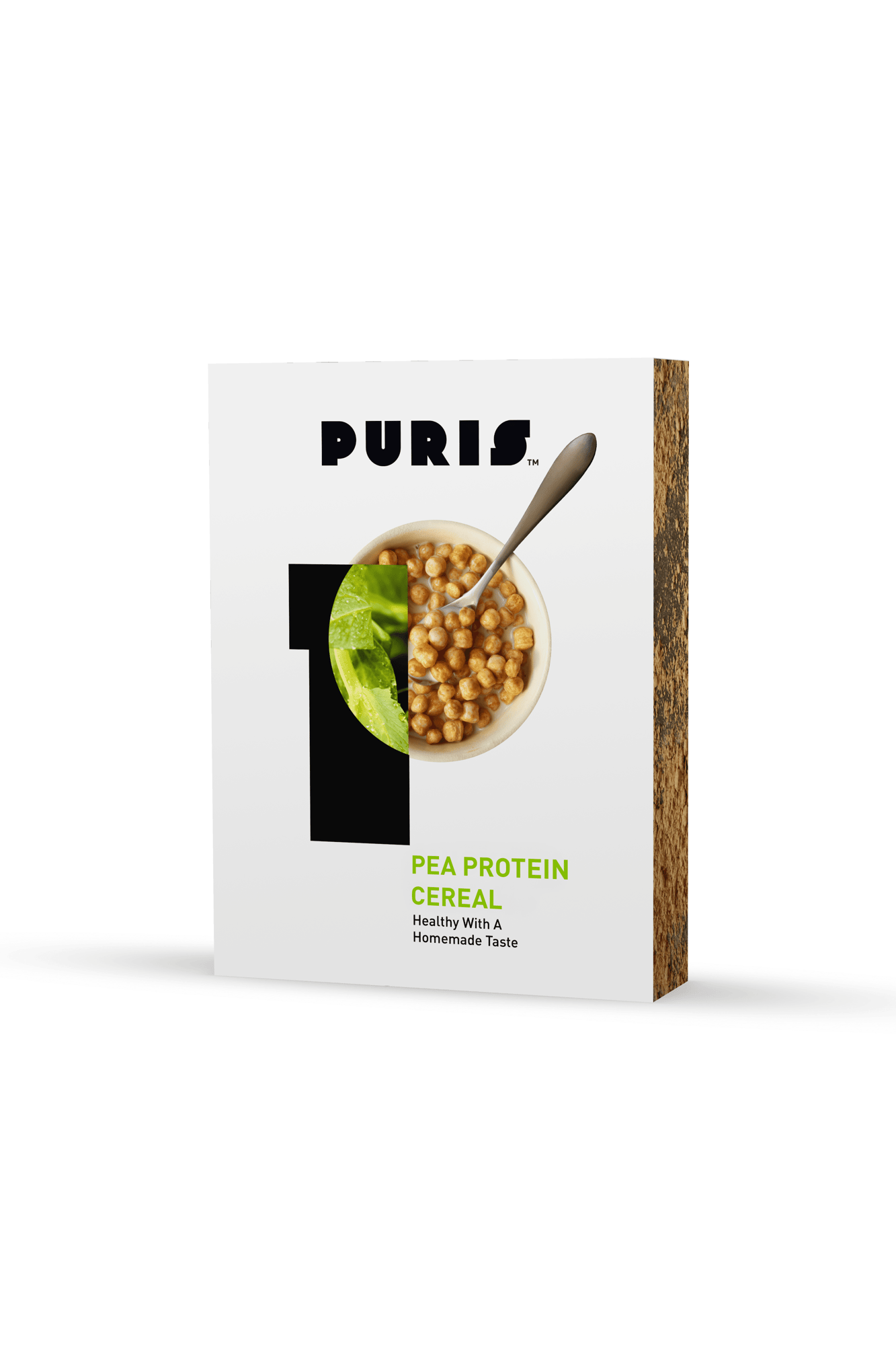
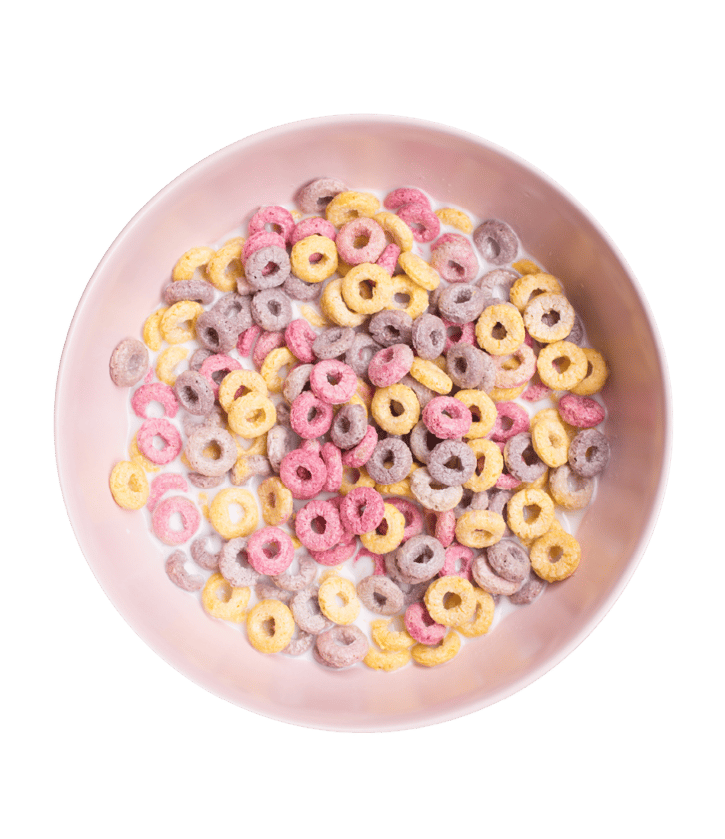
High-protein cereal
Dry or hot — crunchy or wet. High-protein cereals bring pea protein to the breakfast table for the most important meal of the day.